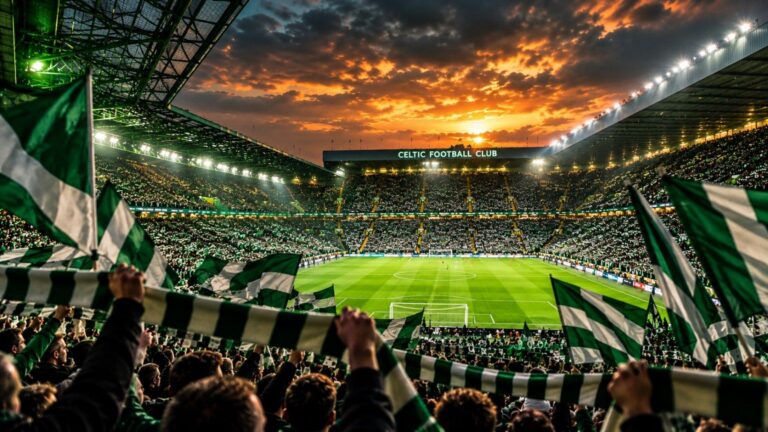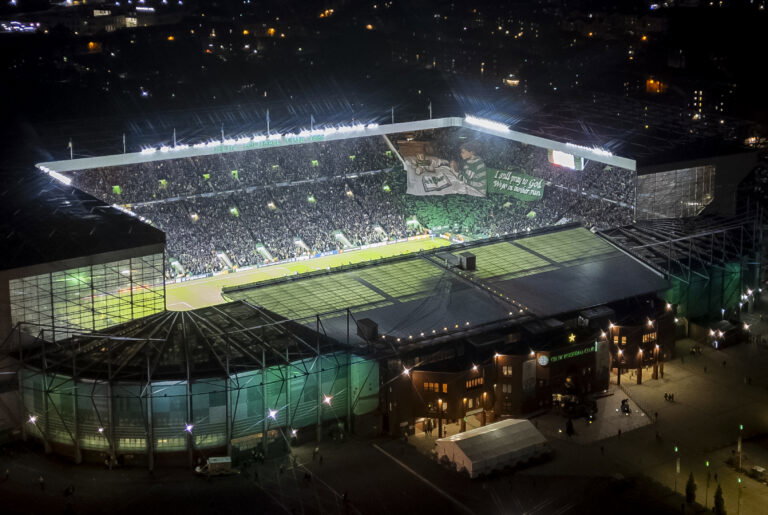
Everyone at Celtic should be ashamed, and determined, after the last fortnight.
Andy Walker is the latest former Celtic player to say what a lot of supporters have been thinking since those two painful games against the Ibrox club.
Celtic were outclassed.
Not unlucky. Not simply victims of two bad days at the office. Not a couple of unfortunate results which can be brushed aside because we are still near the top of the league.
Outclassed.
And when that verdict starts becoming almost unanimous, the players, the coaching staff and the leadership of the football club should be mortified by it.
Walker said neither game was close. The Ibrox club were already comfortable winners in the first match and then came to Celtic Park and were better again.
The statistics from the second game told their own story, with far more attempts and far more shots on target than Celtic managed.
That is not simply about the scoreline. It is about the manner of the defeats.
And that is why these games cannot be reduced to two poor performances.
There have been derby defeats in previous years which we could shrug off. Celtic were so far ahead that one result, or even the occasional couple of results, did not fundamentally alter the bigger picture. We were still winning trophies, still had the stronger squad and still held the psychological advantage.
The Ibrox club could celebrate the afternoon. Celtic still had the bigger prize.
These two games were different.
The first was a League Cup quarter-final. Celtic went to Ibrox and lost 3–0, with the home side controlling the match and progressing to the semi-finals. Then, eight days later, they came to Celtic Park and won again. One-nil.
That result also cut Celtic’s league advantage to two points.
So let us not pretend these were meaningless games.
They were massive. And Celtic lost both of them. Worse than that, Celtic looked inferior in both. That is what should hurt.
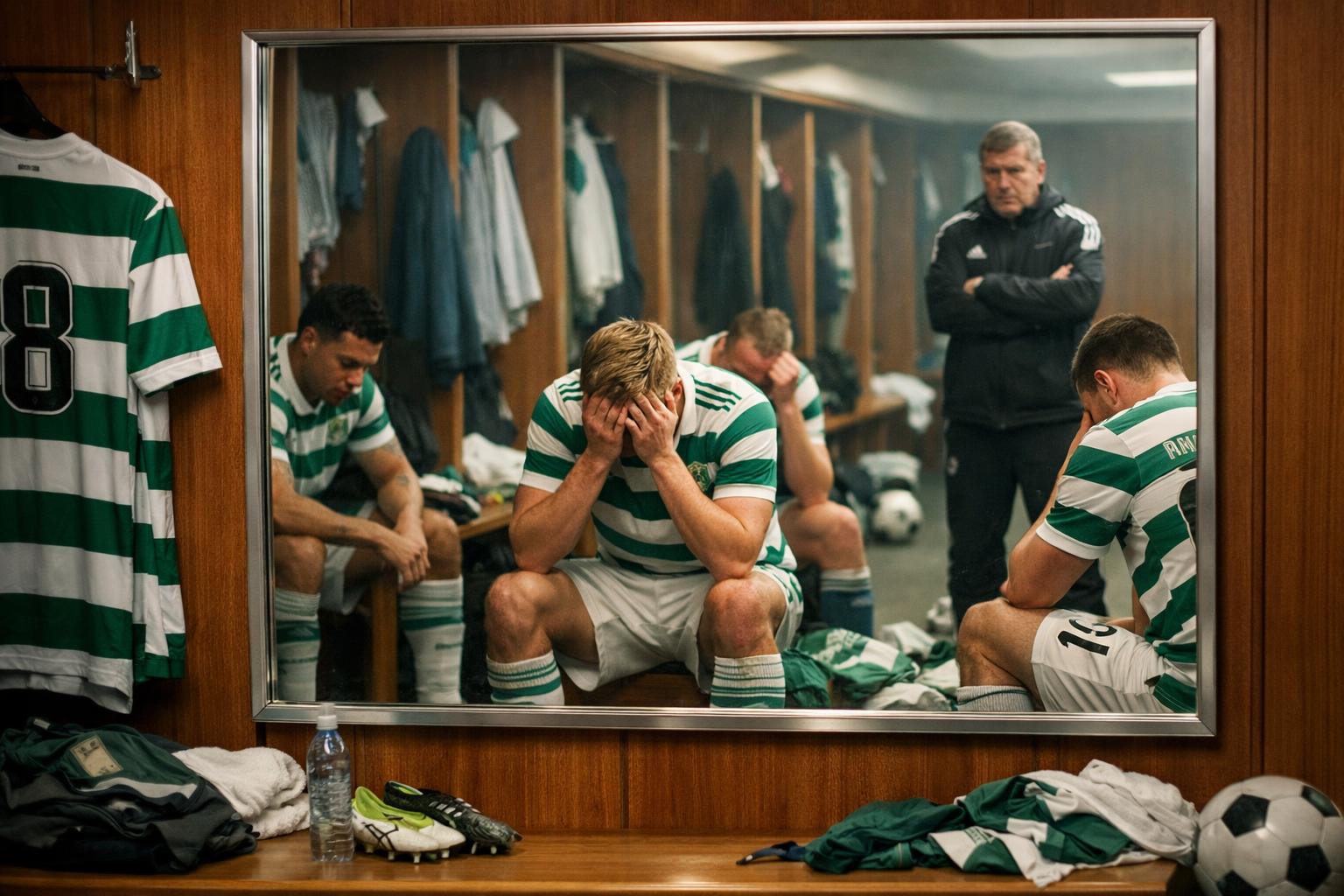
Every Celtic player should be asking himself a very simple question: how does that make me feel? How does it feel to walk off the pitch knowing that the team in blue believed they were better than you?
How does it feel to hear former Celtic players saying they were streets ahead? How does it feel knowing supporters watched two of the biggest games of the season and saw Celtic looking disconnected, uncertain and unable to impose themselves?
And most importantly: what are you going to do about it? Because that is the difference.
Football teams lose matches. It happens. But what you do after being beaten tells us far more about the character of the team.
The players should be angry. They should be embarrassed. They should look at those performances and decide that they cannot happen again.
Not because losing to the Ibrox club is somehow more important than everything else Celtic do. It is not. It is because these are the games which expose you.
They test mentality, structure, organisation, leadership, courage and quality under the biggest pressure. Celtic failed that examination twice.
Nobody should be hiding behind moments either. I am not interested in hearing that Celtic created one chance here or had one unlucky moment there. Football is full of moments, but the bigger picture matters more.
The first game ended 3–0. The second ended 1–0.
And the second was not some extraordinary smash-and-grab victory. The Ibrox club were organised, aggressive and effective while Celtic struggled to create enough meaningful opportunities. The consequences are obvious.
They knocked Celtic out of a cup competition. They came to Celtic Park and won a league game. They reduced Celtic’s lead at the top.
And perhaps the most worrying consequence of all is psychological.
They now know they can beat us. That matters. This is why everyone at Celtic needs to take a long look in the mirror.
The players, the coaching staff, Martin O’Neill, the recruitment department, the football operation and, yes, the fucking pricks in the boardroom.
Everyone. Because this cannot simply be about eleven players having two bad afternoons. There are structural questions here. Tactical questions. Questions about the formation, midfield control, leadership and whether Celtic have recruited players for a coherent system or simply collected expensive individuals and hoped they would somehow fit together.
There are also questions about whether the Board understands what is required to build a Celtic team capable of competing properly both domestically and beyond Scotland.
That is why these defeats cannot be treated as isolated events. If Celtic does that, we will learn absolutely nothing.
And if you learn nothing from humiliation, you are simply waiting for the next humiliation.
What we need now is a response.
The coaching staff has to analyse those two games without protecting itself. The players have to analyse them without hiding behind individual mistakes. The football department has to ask whether the squad is genuinely balanced.
And the Board has to stop believing that every problem can be solved with another transfer announcement or another glossy statement.
The real question now is whether these defeats change anything. Because if the answer is no, then those two games become something bigger than derby losses.
They become evidence that Celtic saw the warning signs and chose not to act.
That is what should concern us most.
We should want Celtic to walk into the next derby with a completely different mentality. The players should remember how this felt. They should remember being outplayed. They should remember the noise from the other side.
Then they should do something about it.
That is what champions do.
They look in the mirror. They accept the ugly truth. They identify the weaknesses and fix them. Then they come back stronger.
Nobody at Celtic should pretend what happened over those eight days was normal. It was not. These games mattered. Celtic were not good enough.
Now we need to see what Celtic is prepared to do about it before it is too late.
Choose The CelticBlog as a ‘Preferred Source’ on Google News for quick access to the news you value.